

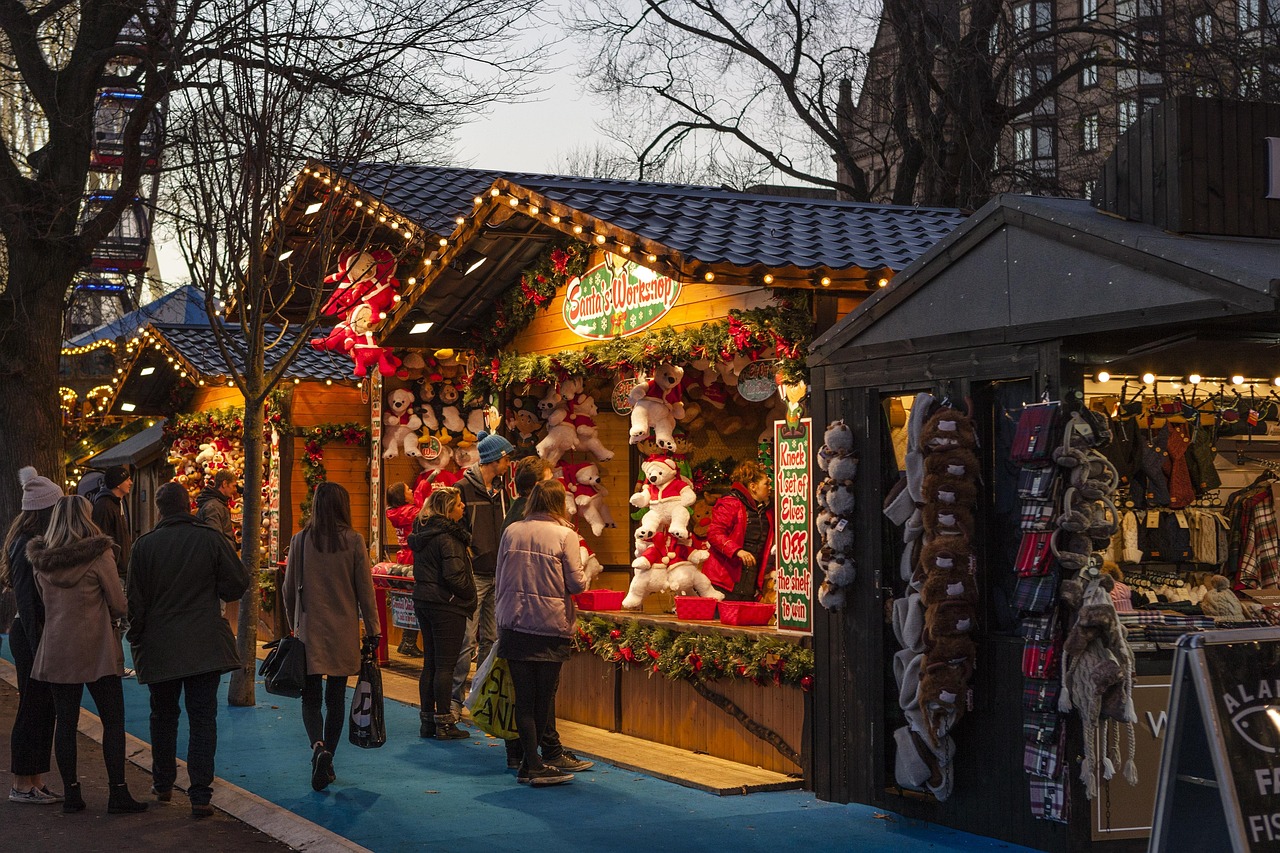
Imagine strolling through cobblestone streets lit with twinkling fairy lights, the scent of roasted chestnuts and mulled wine filling the air, while cheerful carolers sing in the background. That’s the magic of Germany in December, and for US travelers experiencing it for the very first time, it can feel like stepping straight into a Christmas movie.
But here’s the thing: German Christmas markets are more than just pretty stalls and decorations. They’re a mix of tradition, culture, food, and a cozy holiday spirit that you’ll remember long after your trip ends. If you’re planning your very first visit, this guide will walk you through everything you need to know — from what to eat and drink, to how to plan your time, so you can make the most out of your holiday adventure.
Best German Cities to Experience Your First Christmas Market
Nuremberg (Nürnberg) – A Fairy Tale Christmas Market
Nuremberg is famous for its Christkindlesmarkt, one of the oldest Christmas markets in Germany. The city feels like a storybook come to life, with medieval buildings and cobblestone streets surrounding the market. The opening ceremony, led by the Christkind (a golden angel-like figure), is a magical experience that draws visitors from around the world.
Special Attraction: Don’t miss the Nuremberg Christmas Angel Parade, where children dressed as angels walk through the market singing carols. It’s a tradition that brings the whole city together and makes for unforgettable photos.
Must-Try Food & Crafts:
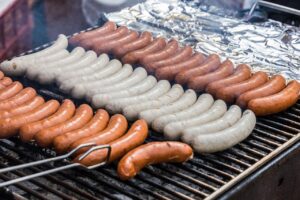
- Nuremberg bratwurst – tiny, juicy sausages in buns
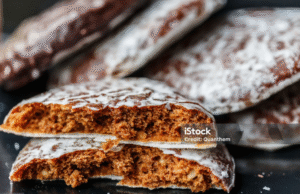
- Lebkuchen – soft gingerbread cookies with icing
- Roasted almonds (Gebrannte Mandeln)
- Handmade wooden ornaments, nutcrackers, and candle pyramids
Munich (München) – Bavarian Holiday Charm
Munich has multiple Christmas markets, each with its own character. The main market in Marienplatz is framed by the stunning Neo-Gothic town hall, lit up beautifully at night. The city’s alpine vibe is felt in its cozy beer halls, warm pretzels, and hearty sausages—perfect for warming up after a stroll through the market.
Special Attraction: Visit the Medieval Christmas Market at Wittelsbacherplatz. Here, you’ll find artisans in historical costumes, medieval crafts, and even live performances of falconry and fire shows that add a unique twist to the traditional festive experience.
Must-Try Food & Crafts:
- Glühwein and mulled cider
- Kartoffelpuffer (potato pancakes)
- Handcrafted wooden toys and Christmas decorations
Frankfurt – Convenient and Cozy
Many US travelers fly into Frankfurt, making it a perfect starting point. The Christmas market sits in the old town square, surrounded by charming half-timbered houses. Frankfurt combines the excitement of a city with the intimate charm of a traditional market.
Special Attraction: Check out the Frankfurt Christmas Pyramid (Weihnachtspyramide) at Römerberg Square. This giant wooden carousel-style structure, decorated with candles and figurines, spins slowly, creating a picture-perfect holiday scene.
Must-Try Food & Crafts:
- Bethmännchen (marzipan cookies)
- Frankfurter sausages
- Festive ornaments and handmade candles
Cologne (Köln) – Cathedral Backdrop Magic
Cologne’s Christmas market is set against the breathtaking Cologne Cathedral, one of the most iconic landmarks in Germany. At night, the cathedral is beautifully illuminated, and the air is filled with the scent of cinnamon, mulled wine, and roasted chestnuts—creating a magical ambiance.
Special Attraction: Don’t miss the Heavenly Market (Himmelsmarkt) near the Cologne Cathedral. It features an elevated viewing platform that gives you a panoramic view of the market below, perfect for photos and soaking in the holiday atmosphere from above.
Must-Try Food & Crafts:
- Glühwein served in collectible mugs
- Reibekuchen (potato pancakes)
- Hand-carved wooden figurines and festive ornaments
Timing Your Trip: The Best Days for Christmas Markets
Markets typically open around late November and close on December 23 or 24. Timing makes a difference:
- Early December: Crowds are smaller, prices for hotels are better, and you still get the full festive vibe. Perfect for a more relaxed first-time visit.
- Mid to Late December: Things get busy—especially the week before Christmas—but if you love crowds and the buzz of people shopping, eating, and laughing together, it’s worth it.
What to Eat and Drink
Food is half the reason people visit Christmas markets. Don’t be shy—eating your way through the stalls is part of the fun! Here’s what you must try:
- Glühwein (Mulled Wine): Warm, spiced red wine served in festive mugs. Each market has its own mug design, and you can either return it for a refund or keep it as a souvenir (most people keep it!).
- Bratwurst: The classic German sausage, usually served in a crusty roll with mustard. Simple, filling, and delicious.
- Lebkuchen: German gingerbread cookies, often decorated with icing. They make sweet souvenirs too, though locals usually eat them fresh.
- Roasted Almonds (Gebrannte Mandeln): These are crunchy, caramelized, and impossible to stop eating once you start.
- Kartoffelpuffer (Potato Pancakes): Crispy fried potato cakes, often served with applesauce. Comfort food at its finest.
Eating at the markets isn’t just about filling your stomach—it’s about warming your hands, chatting with friends (or friendly strangers), and soaking in the atmosphere with every bite.

What to Buy
The stalls are full of crafts and souvenirs that feel extra special because they’re handmade. Some great finds include:
- Hand-carved wooden ornaments and nutcrackers
- Traditional candle pyramids (spinning wooden decorations powered by candle heat)
- Wool scarves, hats, and mittens
- Handmade soaps, candles, and ceramics
These aren’t the cheap, mass-produced souvenirs you often find in tourist shops—many are made by local artisans and reflect regional traditions.
Tip: Most stalls are cash-only, so carry some euros in smaller bills.
Budget Tips for US Travelers
The good news? You don’t need a huge budget to enjoy Christmas markets. Most of the joy is free.The lights, music, and atmosphere cost nothing. But here’s a breakdown of what to expect:
- Food & Drinks: Around €5–8 per item (so a cup of Glühwein + a bratwurst = €12–15).
- Souvenirs: €10–50, depending on whether you’re buying ornaments or larger wooden crafts.
- Market Entry: Almost all markets are free to enter.
- Flights & Hotels: This is where the bulk of your budget will go. Book flights 2–3 months early for the best deals, and consider staying in smaller cities to save money on accommodation.
On average, expect to spend around €50–70 per day per person for food, drinks, and small shopping (not counting hotels or flights).
Travel Tips for First-Timers
1. Language
Don’t worry if your German isn’t perfect—most vendors and staff in Christmas markets speak at least a little English. You’ll get by just fine with basic phrases, and a little effort goes a long way.
- Helpful phrases:
- Danke! – Thank you
- Bitte! – Please / You’re welcome
- Wie viel kostet das? – How much is this?
- Ein Glühwein, bitte! – One mulled wine, please!
Even if you only say “Hallo!” when you enter a stall or “Danke!” when you leave, locals notice and appreciate it. It’s a small gesture that can make your market experience feel more authentic and friendly.
Pro tip: Keep a small phrasebook or a phone app handy. Sometimes learning the tiniest bit of language makes interactions fun and memorable.
2. Weather
December in Germany is chilly. Think crisp air, occasional snow, and lots of winter coats everywhere. Don’t let it scare you—it’s part of the charm!
- Temperature: 32–40°F (0–5°C), sometimes colder in northern or higher-altitude cities.
- Packing tips:
- A warm, waterproof coat is essential—you’ll spend hours outside wandering the markets.
- Gloves, scarf, and hat – the small details make a big difference when standing around drinking hot Glühwein.
- Comfortable, waterproof boots – cobblestone streets can get slippery, especially if it snows or rains.
- Layers – a thermal shirt or light sweater under your coat helps you adjust easily between cold outdoors and warm indoor cafés or train stations.
Extra tip: Carry a small foldable umbrella just in case—it rarely rains heavily, but German winters are damp, and a little drizzle can be annoying without one.
3. Transport
Getting around Germany is easy and efficient, but knowing your options helps you save money and time:
- Trains: Germany has a top-notch train system. The high-speed ICE trains connect major cities like Frankfurt, Munich, Nuremberg, and Cologne. Booking early saver fares can save a lot.
- Regional trains: Great for shorter distances or visiting smaller towns like Rothenburg ob der Tauber or Bamberg. Day tickets like the Bayern-Ticket are cheap and convenient if you’re traveling with friends or family.
- Public transport in cities: Most cities have U-Bahn (subway), S-Bahn (commuter trains), trams, and buses. Buy a day pass to hop around easily.
- Walking: Smaller towns are best explored on foot. Cobblestone streets, historic squares, and cozy alleys are meant to be enjoyed slowly.
Pro tip: Check schedules in advance—trains run frequently, but some smaller town connections may be limited, especially on Sundays or holidays.